

BIBS Symposium 2026 Registration
Registration now open!
The Hopkins Centre invites you to register to attend our annual Bold Ideas Better Solutions BIBS26 Symposium!
The 10th annual Bold Ideas Better Solutions Symposium will be held on Thursday 29th October 2026, at the Translational Research Institute (TRI), Princess Alexandra Hospital Precinct, Brisbane.
BIBS26 is a free hybrid symposium, giving you the option and flexibility to choose your attendance. REGISTER NOW.
The day long symposium will highlight The Hopkins Centre model of ‘close to practice’, translational research, which brings together clinicians, researchers, service users, consumers and industry representatives in meaningful research partnerships, to exchange new ideas and spark innovative solutions for the future in the disability and rehabilitation sector.
Event Details
Date: Thursday 29 October 2026
Time: 9.00am to 5.00pm, with barista coffee and catering provided for those attending in person.
Venue: Translational Research Institute (TRI) Auditorium, Princess Alexandra Hospital Precinct, Brisbane, QLD.
Cost: FREE – Register today
What to expect at BIBS26:
🧠 A stimulating program from across Hopkins research focused on translating bold ideas into better solutions for the future.
📣 Exploring the theme 'New Frontiers in Rehabilitation and Inclusion' as it plays a vital role in enhancing engagement, well-being & quality of life.
👉 Showcasing Hopkins citizen-led inclusive research, innovations in enriching environments & clinician-led engaged research.
🎧 Hear from over 20 speakers presenting on collaborative research on diverse topics from enabling technologies, accessibility,
pain management, rehabilitation innovations, through to care pathways and support transitions, to enhance the health and
wellbeing of individuals with long-term and complex rehabilitation needs, and their support networks.
Closed captioning and Auslan interpreting are available on request. You can request these services during the booking process. Please note that we require at least 5 working days' notice for these services to be available.
This is a FREE event, welcoming clinicians, researchers, people with lived experience of disability and rehabilitation, industry partners, as well as those with an interest in these areas.
For other access requirements, please contact The Hopkins Centre at hopkinscentre@griffith.edu.au.
For further information about the BIBS26 event go to: https://www.hopkinscentre.edu.au/impact
We look forward to welcoming you, in igniting new ways of thinking, harnessing new collaborations, and sparking bold ideas and better solutions for the future.
Speakers
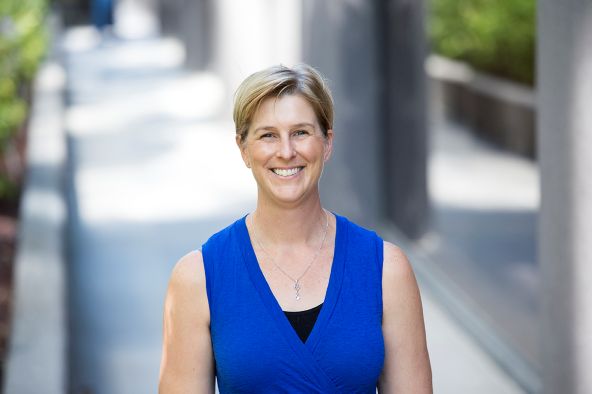 |
Professor Belinda Gabbe is the Head of the School of Public Health and Preventive Medicine at Monash University and leads the Prehospital, Emergency and Trauma Research Unit. She is an NHMRC Leadership Fellow and the current President of the Australian and New Zealand Trauma Society. Belinda is the Head of the Victorian State Trauma Registry, Victorian Orthopaedic Trauma Outcomes Registry and the Burns Registry of Australia and New Zealand. Belinda’s research focuses on evaluating trauma care, trauma systems research, and trauma survivorship. |
 |
|
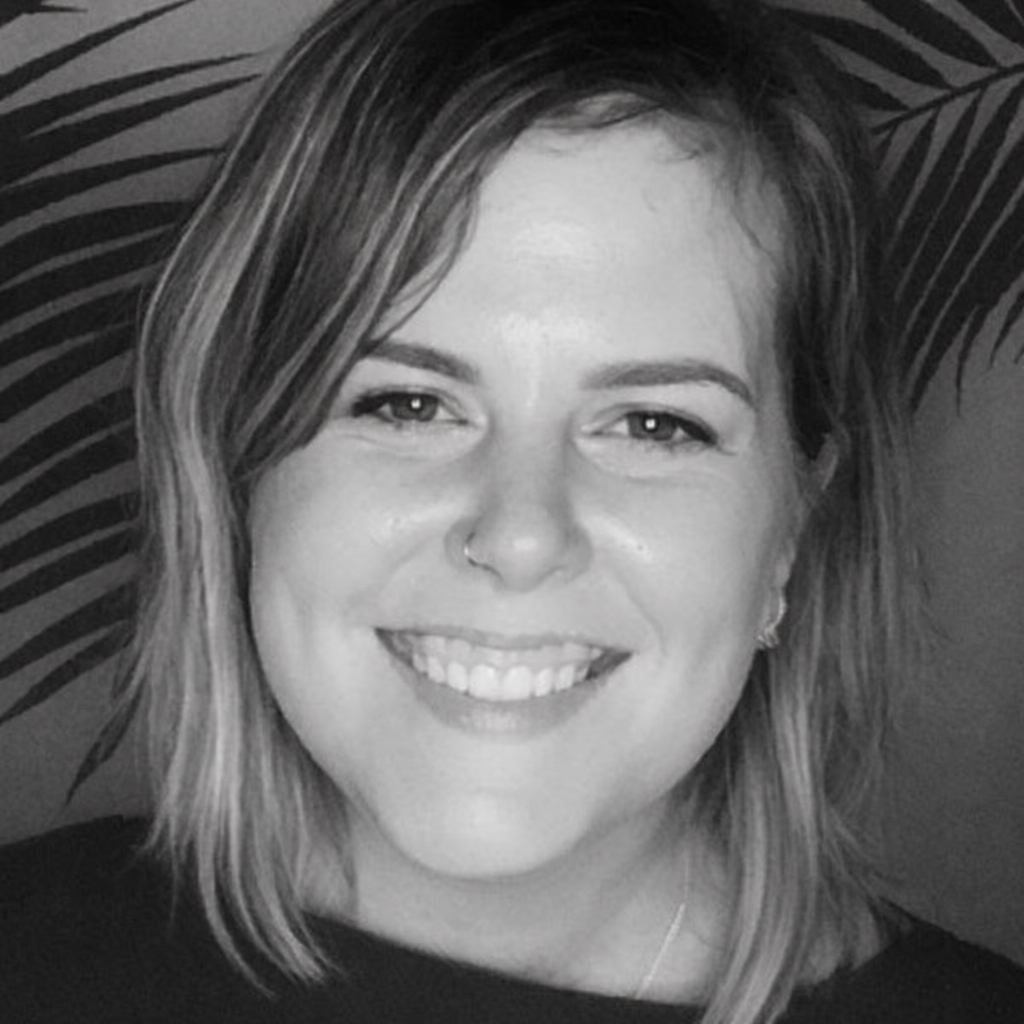 |
I am a senior clinical dietitian, currently based at Jasmine Unit, an extended brain injury rehabilitation unit in Wynnum and the PAH Kidney services. I am currently completing a 17-month clinical fellowship funded by the Hopkins Centre to complete a research project, Beyond weight: understanding body composition changes and its role in brain injury rehabilitation.
|
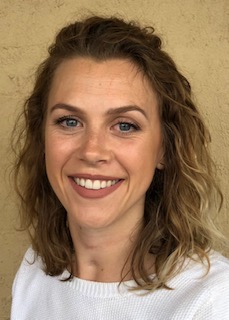 |
Dr Emily Bray has worked as an early career researcher in the field of disability and rehabilitation at The Hopkins Centre, Griffith University since January 2023. In this role, Emily collaborates with multidisciplinary clinicians, stakeholders, and research end-users on a range of projects that focus on improving experiences across the rehabilitation continuum and outcomes for individuals with neurological injuries. Emily was awarded her PhD in August 2023, during which she developed expertise in using participatory and co-design research methods. Using these methods, Emily developed and launched the SCI Healthcare Transition website, which is now used in practice to support young people with spinal cord injuries transition from paediatric to adult healthcare. Notably, Emily also qualified as a social worker after experiencing a spinal cord injury over 10 years ago. This experience informs her clinical practice and research, including her focus on supporting individuals with disabilities to thrive in life by addressing their health and psychosocial needs.
|
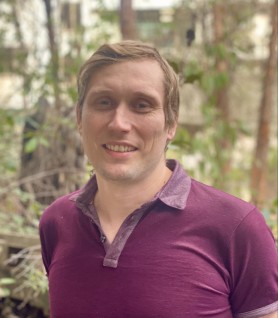 |
Michael Norwood is a research fellow in the area of environmental psychology and cognitive and clinical neuropsychology. He is the academic lead of the Brain and Enriched Environment laboratory (BEEHive lab), a collaboration between neurorehabilitation clinicians at Gold Coast University Hospital and Griffith University researchers interested in understanding how the rehabilitation environment can be used to facilitate positive patient outcomes. The research focus includes technology, recreation, and physical environments. One of his goals is to understand the impact of natural environments at all stages of neurorehabilitation. This includes virtual and real nature.
|
 |
Dr Jayke Bennett is a Research Fellow at The Hopkins Centre, Griffith University. Jayke’s research interest is in cognitive psychology, motor skill learning, and how technology can be applied to assist emotional, physical, and occupational health and wellbeing throughout rehabilitation.
|
 |
Dr Christy Hogan is a Research Fellow at The Hopkins Centre. With specific interests in service access and community integration, vocational rehabilitation, and psychological wellbeing, she collaborates with stakeholders, clinicians, and other researchers on a range of projects that broadly focus on improving outcomes for people with brain and spinal injuries.
|
 |
Jessie is a Research Fellow with expertise in partnering with people with disability, family members, and clinicians through research to develop solutions to improve rehabilitation service delivery and outcomes. Jessie's current work spans multiple topics, including inclusive and sustainable employment, self-advocacy and health self-management, and rehabilitation and assistive technologies. In her role, Jessie also supports clinicians in building the skills and confidence to develop and conduct research that is embedded in clinical practice.
|
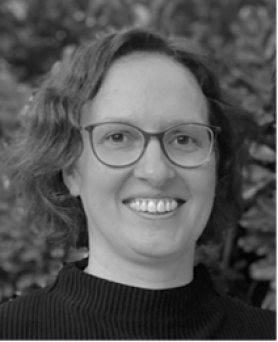 |
Dr. Rachel Brough Rachel has been an Occupational Therapist for 25 years and has worked at the junction of individual clinical needs within the context of service delivery models of these statewide schemes responsible for funding assistive technology and other treatment, care and support for Queenslanders. Shehas contributed to a number of Hopkins Centre projects researching assistive technology use and the transition from hospital to home.
|
 |
|
