

Day in the Life After Brain Injury: Why Lived Experience Must Shape the Future of Rehabilitation
Brain Injury Awareness Week 2026 | 17–23 August
For many people living with brain injury, the most challenging impacts are the ones others cannot see. Brain injury is often described as an invisible disability, with fatigue, memory difficulties, impaired executive function and cognitive overload affecting everyday life in ways that may not be immediately apparent to others.
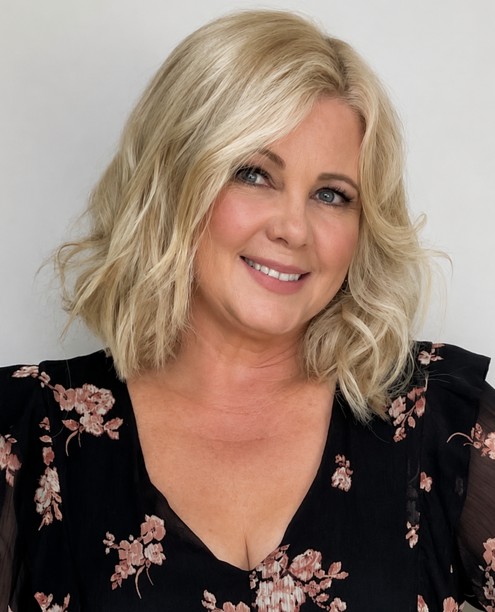
For Belinda Adams OAM, a Hopkins Centre Ambassador, researcher, carer and advocate, these challenges are deeply personal. Following her son's severe brain injury in 2012, Belinda experienced first-hand the impact brain injury can have on individuals and families and the challenges of navigating systems that don't always understand the condition.
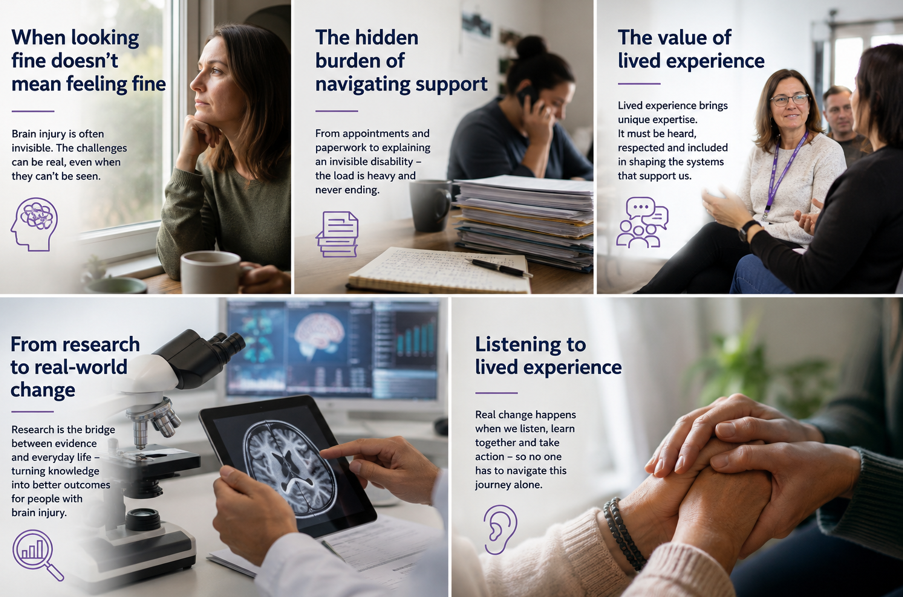
When looking fine doesn't mean feeling fine
"Individuals living with brain injury frequently fall through the cracks of existing systems because it is often invisible and variable in its presentation," Belinda says.
A typical day can involve carefully managing limited energy reserves. Tasks that appear simple to others can require significant effort, while social interaction can become exhausting.
"Energy reserves that most people take for granted drain rapidly, leaving nothing for the tasks still ahead."
For many people, the world assumes they are fine because they look fine. But behind the scenes, memory can be unreliable, executive function can be affected and the cognitive effort required to get through an ordinary day can leave little capacity for anything extra.
The impact can extend to relationships and social connection, with friendships becoming harder to maintain when people don't understand why someone needs to cancel plans or limit activities.
The hidden burden of navigating support 
The challenges don't necessarily end when someone leaves hospital or completes rehabilitation. For individuals and families, there can be an ongoing administrative burden—appointments, forms, evidence gathering and repeated conversations with people who may not understand the fluctuating nature of brain injury.
"There can be a constant ongoing pressure to prove the disability is real," Belinda says.
She believes disability assessors need greater brain injury-specific education and that a single assessment cannot always capture the reality of a condition that can vary from day to day.
The value of lived experience 
For Belinda, people with lived experience must have a meaningful role in shaping the systems and research intended to support them.
"Lived experience advocates must be included in the co-design of policy frameworks and granted the same professional standing as credentialed clinicians."
Her own experience has informed her work with The Hopkins Centre, including research exploring self-advocacy after brain injury and how people can be better supported to have a say in their care and rehabilitation.
The research brings together people with brain injury, family members, clinicians and researchers to explore what helps people reclaim agency and communicate their needs across healthcare and disability services.
For Belinda, this represents the kind of research needed to create meaningful change.
"Research is the vital link bridging the gap between policy failures and real-world outcomes."
From research to real-world change 
Belinda believes research must go beyond generating evidence and that it must translate into better systems, services and policies.
Her advocacy extends beyond research, including her involvement in initiatives that promote community connection, movement and participation for people living with brain injury.
In August, Belinda will also attend the Neuro Summit in Canberra as part of Brain Injury Australia's delegation, contributing to the national conversation around a proposed National Action Plan for Neurological Conditions.
For Belinda, these opportunities to bring lived experience into national policy discussions are critical.
"No family should endure years of fighting their way through red tape while waiting for the support they need."
Listening to lived experience 
Brain Injury Awareness Week is an opportunity to increase awareness of brain injury, but for Belinda, awareness must lead to action.
People living with brain injury and their families need to be heard, their expertise valued and their experiences reflected in the research, services and policies that affect their lives.
"Knowledge developed through survival deserves the same respect as knowledge developed through formal training."
At The Hopkins Centre, working alongside people with lived experience is central to creating research that responds to real-world needs. By bringing together lived experience, clinical expertise and research evidence, we can work towards more responsive, dignified and meaningful rehabilitation and support.
As Belinda reminds us:
"Access to resources and community connection is a human right, not a privilege."
This Brain Injury Awareness Week, The Hopkins Centre invites you to look beyond what you can see and listen to the experiences of people living with brain injury and the families who support them.
Tags: Lived Experience, Brain Injury, BIAW, Invisible Disability
Related Articles
- World-leading centre for rehabilitation and disability research opens
- Improving the ability of employers to communicate with brain injured workers
- THC Researcher awarded GU New Researcher Grant for study in social and emotional wellbeing
- This week is Brain Injury Awareness Week #BIAW20
- THC Ambassadors share their experiences this Brain Injury Awareness Week
