BIBS Symposium 2026 Registration
Registration now open!
The Hopkins Centre invites you to register to attend our annual Bold Ideas Better Solutions BIBS26 Symposium!
The 10th annual Bold Ideas Better Solutions Symposium will be held on Thursday 29th October 2026, at the Translational Research Institute (TRI), Princess Alexandra Hospital Precinct, Brisbane. BIBS26 is a free hybrid symposium, giving you the option and flexibility to choose your attendance. REGISTER NOW.
Event Details
Date: Thursday 29 October 2026
Time: 9.00am to 5.00pm, with barista coffee and catering provided for those attending in person.
Venue: Translational Research Institute (TRI) Auditorium, Princess Alexandra Hospital Precinct, Brisbane, QLD.
Cost: FREE – Register today
Join us for a dynamic BIBS26 Research Symposium Program
The BIBS26 Research Symposium brings together an exciting breadth of rehabilitation and disability research, from discovery and innovation to co-design, translation and service improvement. With keynote insights, oral presentations, lightning talks, panel discussions and interactive workshops, the program showcases research that is advancing rehabilitation, improving care and creating meaningful outcomes for people living with disability. View the preliminary program here.
🧠 A stimulating program from across Hopkins research focused on translating bold ideas into better solutions for the future. Encompasssing mental health, AI and virtual reality to vocational rehabilitation, fatigue management, accessibility, psychosocial wellbeing and service improvement, the program highlights the wide-ranging research driving innovation and meaningful change.
👉 Keynote Speaker Professor Belinda Gabbe a nationally recognised expert in the field of rehabilitation and trauma research from Monash University, NHMRC Leadership Fellow and the current President of the Australian and New Zealand Trauma Society. The keynote presentation will focus on building co-designed and patient-centred interventions to improve trauma survivorship.
📣 Panel discussion 'Innovating Together: New Frontiers in Co-Design Research'. What if we reimagined how co-design research is done? Hear from researchers and lived experience experts as they explore bold new approaches, emerging partnerships, and what’s next for creating knowledge and solutions together.
💡 Two interactive workshops, one exciting session! Choose your experience as you explore the future of rehabilitation through hands-on VR demonstrations and real-world neurotrauma research, or discover creative ways to bring research findings to life through clear language, compelling visuals and practical communication strategies.
Accessibility is important to The Hopkins Centre. Closed captioning and Auslan interpreting are available on request. You can request these services during the reigistration process. Please note that we require at least 5 working days' notice for these services to be available. For other access requirements, please contact The Hopkins Centre at hopkinscentre@griffith.edu.au.
We look forward to welcoming you, in igniting new ways of thinking, harnessing new collaborations, and sparking bold ideas and better solutions for the future.
Speakers
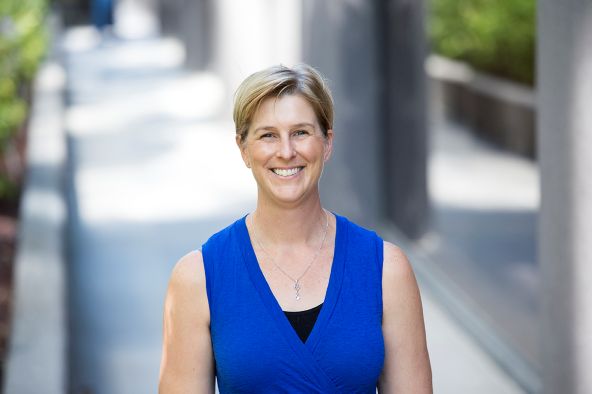 |
Professor Belinda Gabbe Belinda is the Head of the School of Public Health and Preventive Medicine at Monash University and leads the Prehospital, Emergency and Trauma Research Unit. She is an NHMRC Leadership Fellow and the current President of the Australian and New Zealand Trauma Society. Belinda is the Head of the Victorian State Trauma Registry, Victorian Orthopaedic Trauma Outcomes Registry and the Burns Registry of Australia and New Zealand. Belinda’s research focuses on evaluating trauma care, trauma systems research, and trauma survivorship. |
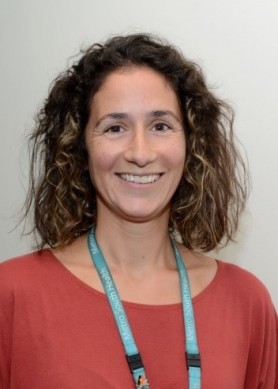 |
Alena has worked as an occupational therapist in the UK, New Zealand, China and Australia. She currently works as a senior occupational therapist within the Acquired Brain Injury Transitional Rehabilitation Service. ABI TRS provides early community based interdisciplinary therapy to adults with acquired brain injury. Her clinical interests include vocational rehabilitation, cultural competence, functional cognition and community based practice. |
|
|
Dr Christy Hogan is a Research Fellow at The Hopkins Centre. With specific interests in service access and community integration, vocational rehabilitation, and psychological wellbeing, she collaborates with stakeholders, clinicians, and other researchers on a range of projects that broadly focus on improving outcomes for people with brain and spinal injuries. |
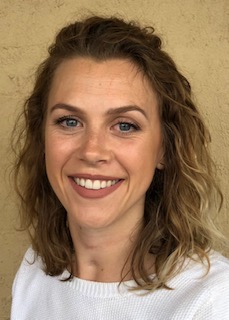 |
Dr Emily Bray has worked as an early career researcher in the field of disability and rehabilitation at The Hopkins Centre, Griffith University since January 2023. In this role, Emily collaborates with multidisciplinary clinicians, stakeholders, and research end-users on a range of projects that focus on improving experiences across the rehabilitation continuum and outcomes for individuals with neurological injuries. Emily was awarded her PhD in August 2023, during which she developed expertise in using participatory and co-design research methods. Using these methods, Emily developed and launched the SCI Healthcare Transition website, which is now used in practice to support young people with spinal cord injuries transition from paediatric to adult healthcare. Notably, Emily also qualified as a social worker after experiencing a spinal cord injury over 10 years ago. This experience informs her clinical practice and research, including her focus on supporting individuals with disabilities to thrive in life by addressing their health and psychosocial needs. |
.jpg) |
Glenn is a physiotherapist by background and has spent the past six years working on projects aimed at improving care for people with spinal cord injury (SCI) and acquired brain injury (ABI). He is currently the Project Manager of the Aus-InSCI Translation Project. |
 |
Dr Jayke Bennett is a Research Fellow at The Hopkins Centre, Griffith University. Jayke’s research interest is in cognitive psychology, motor skill learning, and how technology can be applied to assist emotional, physical, and occupational health and wellbeing throughout rehabilitation. |
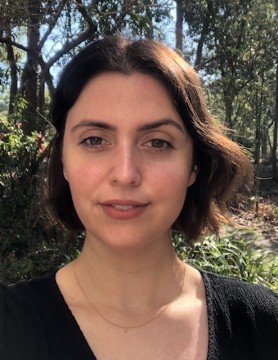 |
Jessie is a Research Fellow with expertise in partnering with people with disability, family members, and clinicians through research to develop solutions to improve rehabilitation service delivery and outcomes. Jessie's current work spans multiple topics, including inclusive and sustainable employment, self-advocacy and health self-management, and rehabilitation and assistive technologies. In her role, Jessie also supports clinicians in building the skills and confidence to develop and conduct research that is embedded in clinical practice. |
 |
Michael Norwood is a research fellow in the area of environmental psychology and cognitive and clinical neuropsychology. He is the academic lead of the Brain and Enriched Environment laboratory (BEEHive lab), a collaboration between neurorehabilitation clinicians at Gold Coast University Hospital and Griffith University researchers interested in understanding how the rehabilitation environment can be used to facilitate positive patient outcomes. The research focus includes technology, recreation, and physical environments. One of his goals is to understand the impact of natural environments at all stages of neurorehabilitation. This includes virtual and real nature. |
 |
Dr. Rachel Brough Rachel has been an Occupational Therapist for 25 years and has worked at the junction of individual clinical needs within the context of service delivery models of these statewide schemes responsible for funding assistive technology and other treatment, care and support for Queenslanders. Shehas contributed to a number of Hopkins Centre projects researching assistive technology use and the transition from hospital to home. |
 |
I am a senior clinical dietitian, currently based at Jasmine Unit, an extended brain injury rehabilitation unit in Wynnum and the PAH Kidney services. I am currently completing a 17-month clinical fellowship funded by the Hopkins Centre to complete a research project, Beyond weight: understanding body composition changes and its role in brain injury rehabilitation. |
 |
Dr Jessica Walker is a Senior Research Assistant at The Hopkins Centre, Griffith University. She holds an honours degree in Psychology and a PhD from QUT's School of Computer Science. Her work focuses on human-computer interaction, wellbeing, and the meaningful integration of lived experience into both research and design within the disability and rehabilitation space. |
.jpg) |
Dr Katie Barrett is an Advanced Clinical Psychologist and Psychology Team Lead in the Queensland Spinal Injuries Unit (SIU). She trained as a psychologist in Ireland, completing her PhD in Clinical Psychology at University College Dublin. She has been involved in research relating to Contextual Behavioural Science and Acceptance and Commitment Therapy (ACT) for over a decade, and has worked clinically across forensic, oncology, rehabilitation, and community mental health settings.
|
 |
Soo Oh |
 |
Alex Borg is a Senior Research Assistant with The Hopkins Centre at Griffith University, with a strong background in health research, data management and patient-centred care. He is currently completing a Master of Philosophy at Queensland University of Technology, where his research explores the influence of diet quality on patient-reported outcomes in chronic kidney disease. Alex has experience supporting clinical trials, data auditing and stakeholder engagement in accordance with ISO standards and Good Clinical Practice guidelines. |
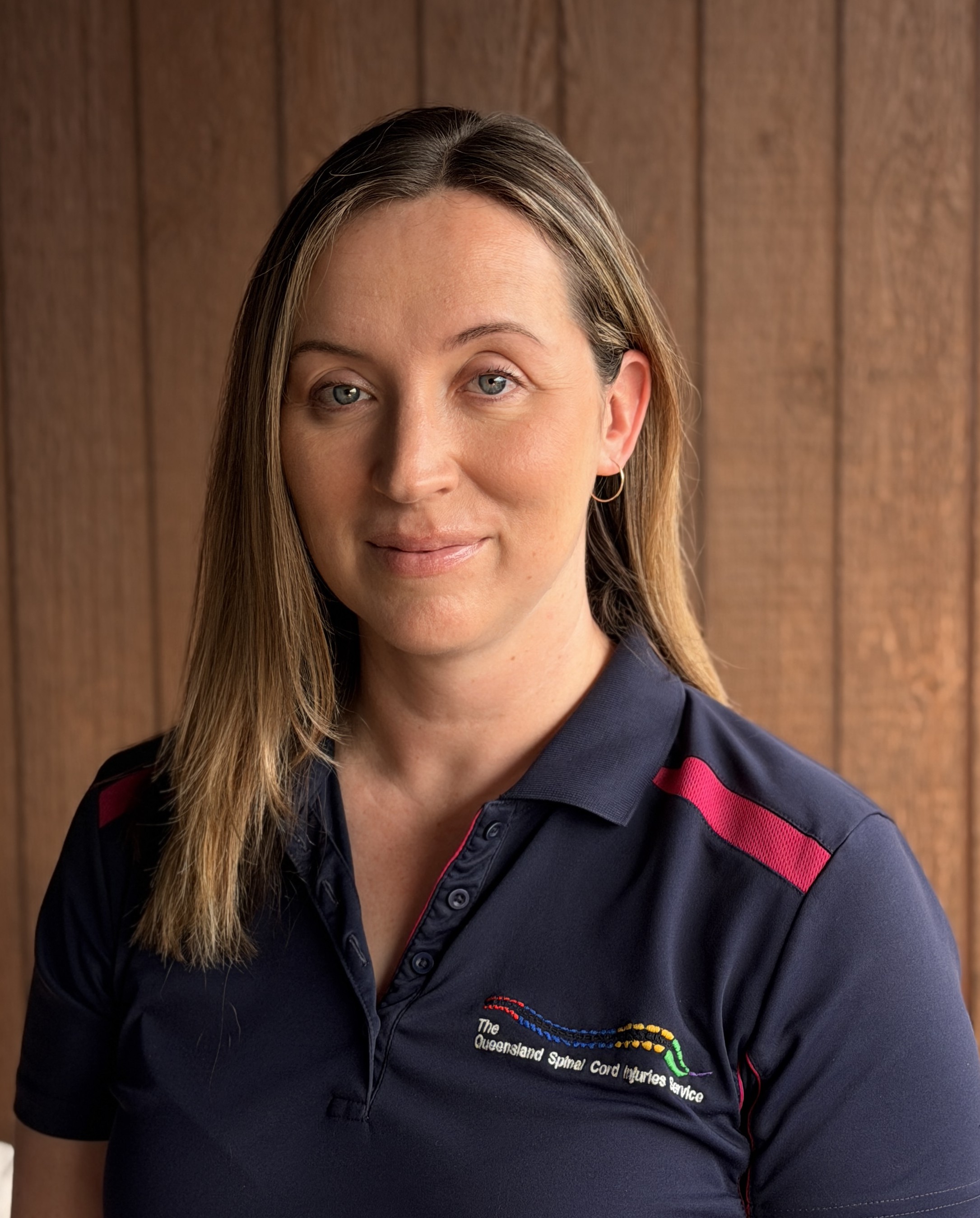 |
Danielle is an Advanced Physiotherapist within the QuickStart team and Spinal Injuries Unit of the Queensland Spinal Cord Injuries Service. She is passionate about improving outcomes for people with spinal cord injury through evidence-based clinical care, education, and service development. Danielle is currently completing a Clinical Research Fellowship with The Hopkins Centre, where her research focuses on respiratory health in people with spinal cord injury. She has a particular interest in bridging research and clinical practice to improve patient outcomes and health service delivery. |
 |
Danielle Pretty |
 |
Dr Louise Bassingthwaighte |
 |
Leah Vegh |
 |
Dr Borg has a Bachelor of Health Science, majoring in Nutrition and Dietetics from Queensland University of Technology (QUT), and completed her PhD in the opioid patterns following spinal cord injury, at QUT. Samantha has been a Research Assistant since 2013, having been involved with a range of health services research projects, including integrated primary-secondary models of care and primary care improvement tools through the University of Queensland. Since joining The Hopkins Centre in 2017 and works on the ‘International Spinal Cord Injury (InSCI) Community Survey’, which is a World Health Organisation project that aims to contribute to, and strengthen, internationally comparable data about the experiences of people living in the community with spinal cord injury. The second wave of this survey is currently in progress. Samantha is also contributing to the Aus-InSCI Translation Project, helping translation the findings of the InSCI survey into change. |
 |
Nina Wegener |