

New Australian Guidelines Aim to Improve Management of Psychosocial Function After Traumatic Brain Injury
The Hopkins Centre is proud to have contributed to the newly released Australia's first national guidelines for the non-pharmacological management of psychosocial difficulties following traumatic brain injury (TBI), helping to improve rehabilitation, wellbeing and quality of life for people living with brain injury.
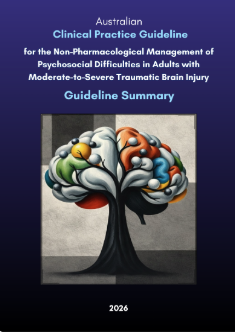
Traumatic brain injury can affect many aspects of everyday life, including emotional wellbeing, relationships, behaviour and social participation. These new evidence-based guidelines provide practical recommendations for healthcare professionals to better support people experiencing these challenges.
Developed through a significant national collaboration led by Assoc Prof Cynthia Honan (UTAS) and funded by the Medical Research Future Fund, the guidelines involved an extensive team of researchers, clinicians and consumers, including Hopkins Centre researcher Professor Tamara Ownsworth, Dana Wong, Sarah Carrier, Paul Gertler, Holly Emery, Grahame Simpson, Skye McDonald, Travis Wearne and Jacinta Douglas.
Importantly, the guidelines recognise the diverse needs of Australians living with TBI, with dedicated supplementary chapters addressing the unique experiences and considerations of people living in rural and remote communities, First Peoples, and culturally and linguistically diverse communities.
A suite of resources is now available, including the full guidelines, a concise summary and supplementary chapters, providing valuable information to support more accessible and person-centred rehabilitation and care.
Congratulations to the research team on this important national achievement and their contribution to improving outcomes for people living with traumatic brain injury.
Explore the guidelines and access the free resources: ASSBI – TBI Psychosocial Guidelines
Tags: TBI, Traumatic Brain Injury, Guidelines
Related Articles
- World-leading centre for rehabilitation and disability research opens
- National Practice Guideline Resources to Support Autistic Children and Their Families
- Physical Activity Guidelines for TBI
- People with Traumatic Brain Injury and Their Support Networks Invited to Co-Design Fatigue Management Resources
