

New Bright Sparks Grant Fuels New Research into Complex Brain Injury Rehabilitation
The Hopkins Centre is pleased to congratulate Ms Shannon Galletly, Nurse Unit Manager of the Brain Injury Rehabilitation Unit (BIRU) at Princess Alexandra Hospital, on being awarded a Bright Sparks Clinician Capacity Building Grant for her project exploring care for people with complex neurobehaviour following acquired brain injury. 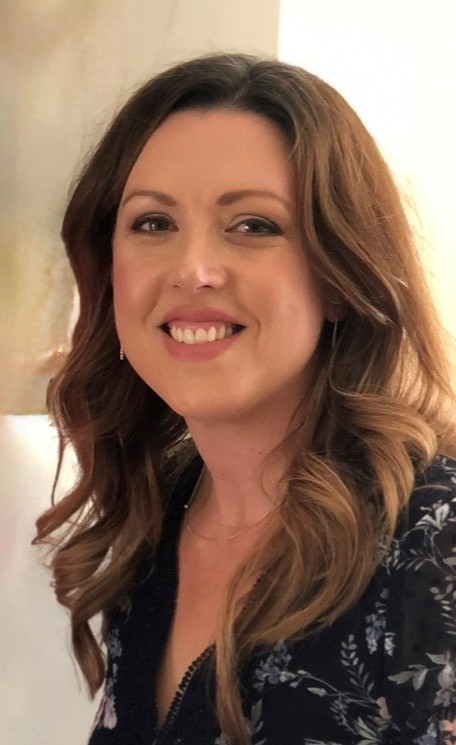
The funded project, Patterns of care, outcomes, and resource use for patients with complex neurobehaviour in a subacute brain injury rehabilitation inpatient unit: a retrospective clinical audit, will provide valuable new evidence to better understand the needs of this complex patient group and inform future improvements to rehabilitation services.
People with acquired brain injury who experience complex neurobehavioural challenges often require highly specialised rehabilitation. These behaviours can affect recovery, increase length of hospital stay, and present significant challenges for patients, families and clinical teams. Despite this, there is limited local evidence describing how these patients are currently managed within Australian rehabilitation services.
Shannon's project will examine three years of routinely collected clinical data from the Brain Injury Rehabilitation Unit at Princess Alexandra Hospital to better understand patient characteristics, behavioural incidents, rehabilitation outcomes and patterns of care. Alongside a review of national and international models of care, the findings will identify opportunities to improve clinical pathways and support the future development of an evidence-informed neurobehavioural model of care.
The project brings together clinicians and researchers from Metro South Health and The Hopkins Centre, including academic mentors Professor Tim Geraghty and Professor Tamara Ownsworth, alongside an experienced multidisciplinary clinical research team.
The Bright Sparks Clinician Capacity Building Grant supports emerging clinician researchers to develop research skills while addressing important clinical questions with the potential to improve healthcare. Shannon's project exemplifies this vision by combining frontline clinical expertise with research to strengthen evidence-based rehabilitation for people living with acquired brain injury.
Congratulations to Shannon on this well-deserved achievement. We look forward to following the project's progress and sharing its findings as they contribute to improving outcomes for people with brain injury and supporting innovation in rehabilitation practice.
Tags: Bright Sparks, Acquired Brain Injury, Neurobehaviour
Related Articles
- Improving the ability of employers to communicate with brain injured workers
- Clinician Capacity Building Research Grant Opportunities
- 2025 Interdisciplinary Seed Grant and Clinical Fellowship Research Scheme
- Kristin Tynan Publishes New Research on Pain
- Announcing new 2026-2027 Seed Grant awards and Clinical Fellowships
